By Sitha Maliwa:

Long before television lights, awards and international tours, there was a boy walking through the streets of KwaMashu – replaying a theatre performance in the darkness, mimicking the dances and songs he had just witnessed.
That boy would grow up to become one of South Africa’s most extraordinary storytellers.
For more than four decades, Bheki Mkhwane has stood on stages across the country and around the world, summoning entire universes out of nothing but movement, sound and imagination. Actor, mime artist, clown, playwright, director, composer and mentor, Mkhwane belongs to a rare breed of theatre makers whose craft transforms empty space into living worlds.
His journey begins in the township of KwaMashu, north of Durban, where he was born in 1963 and raised in modest circumstances. Life there was tough, vibrant and unpredictable – the kind of environment that sharpens the senses and teaches a young boy to read the rhythm of people and survival.
In those early years, theatre seemed far away. The young Mkhwane was better known for his skill on the football field. Quick-footed and fearless, he looked destined for a future in sport. Many believed the stadium would be his stage.
Then came a moment that would change everything.
At the age of thirteen, Mkhwane attended a production by legendary playwright Gibson Kente titled The School Girl and the Taxi Driver. What he witnessed that evening was more than a play – it was a revelation.
The lights, the music, the power of storytelling unfolding before his eyes struck him with electrifying force. When the performance ended, he walked home through the township streets, reliving every scene, every dance step, every song. By the time he reached his house, something inside him had shifted forever.
The stage had called him.
With no formal training and little access to theatre resources, the young dreamer did the only thing he could – he created his own stage. In dusty streets and community spaces in KwaMashu, he began forming amateur theatre groups, crafting stories drawn from the lives of the people around him. The township became his rehearsal room, its characters his teachers.
The road to professional theatre, however, was far from glamorous. Like many artists fighting to keep their dreams alive, Mkhwane worked ordinary jobs to survive. He spent time as a security guard and later as a dispatch clerk, quietly nurturing the fire of performance in the hours between shifts.
Eventually, that fire found a place to grow.
At the Durban Community Arts Project, he began sharpening his craft, and his raw talent soon opened the doors to the Loft Theatre Company under the direction of Nicholas Ellenbogen. It was here that Mkhwane stepped fully into the demanding world of professional theatre.
Between 1986 and 1990 he performed in an astonishing sixteen productions, immersing himself in the discipline and intensity of stage life. Among these works was the powerful play Master Harold… and the Boys by Athol Fugard. Mkhwane’s portrayal of Willie burned with emotional truth and earned him the prestigious Vita Award for Best Supporting Actor.
It was the moment the theatre world began to take notice.
But awards were never the destination for Mkhwane. What fascinated him most was the power of performance itself — the mysterious alchemy that allows an actor to transport audiences into places they cannot see.
From this fascination emerged what he would later call the “Theatre of the Imagination.”
In Mkhwane’s theatre, the body becomes scenery, the voice becomes music, and a single movement can transform the stage into a jungle, a village or a storm. Drawing deeply from African storytelling traditions, his performances rely on rhythm, gesture and sound to conjure entire landscapes in the minds of audiences.
Watching him perform can feel like witnessing magic.
This imaginative power found explosive energy in his collaboration with fellow performer Ellis Pearson. Together they created bold, inventive productions such as A Boy Called Rubbish, Kaboom!, Amazwi Omoya and Skadonk. These works travelled far beyond South Africa, earning admiration for their daring theatrical language and fearless storytelling.
Another landmark moment arrived when Mkhwane collaborated with actor and director Greig Coetzee on Solomon’s Pride. The production swept the KwaZulu-Natal Vita Awards, earning Best Production while Mkhwane himself walked away with honours for Best Lead Actor and Best Script for a New South African Play.
Despite his success, television remained a path he resisted for years. For nearly three decades, he turned down screen roles, believing many scripts failed to capture the true complexity of South African life.
Then in 2013, he accepted the role of Samson Ndlovu in the hit television drama Isibaya. The character resonated deeply with him, and his commanding performance introduced his extraordinary talent to millions of viewers. It also earned him a Royalty Soapie Award nomination.

Yet even as television expanded his audience, the stage remained his spiritual home.
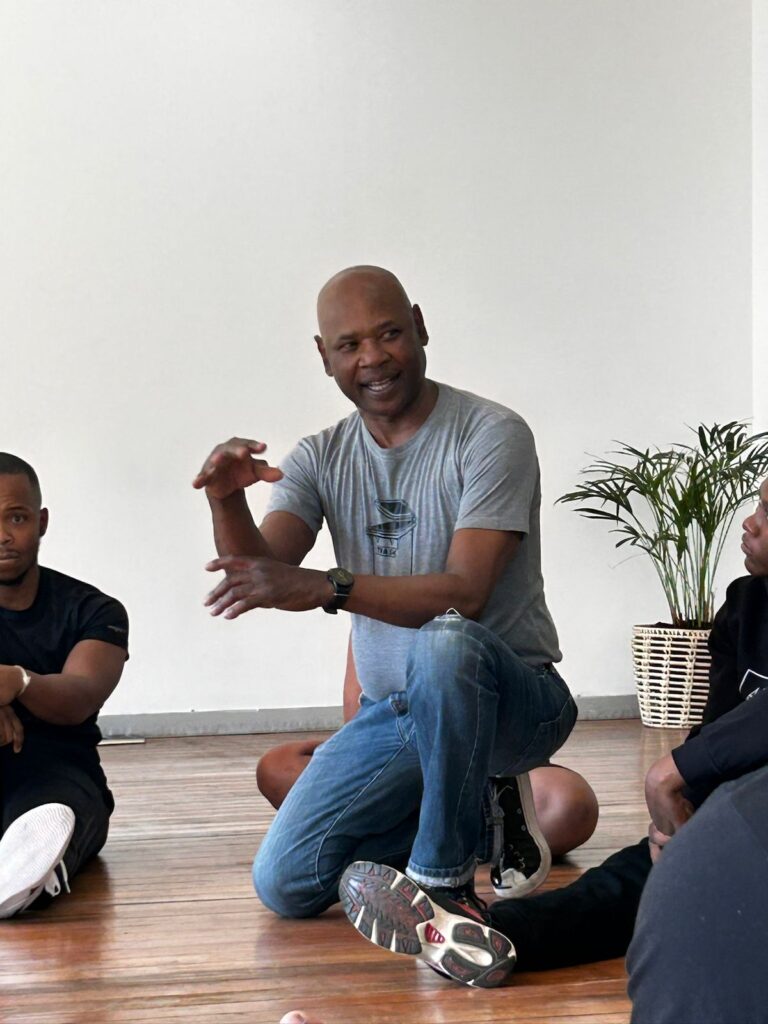
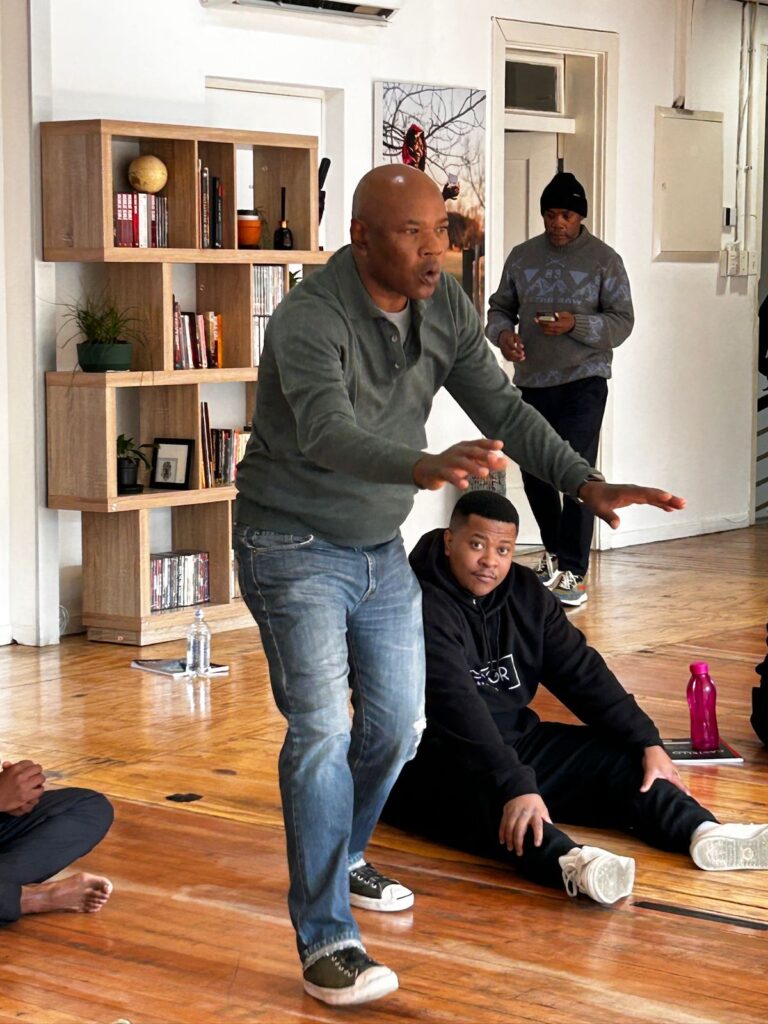
Beyond performing, Mkhwane has dedicated his life to nurturing the next generation of storytellers. Through workshops and masterclasses across South Africa, he teaches young performers that theatre is not about fame but about truth, discipline and connection.
His philosophy is rooted in humility.
He often reminds aspiring actors that celebrity can easily destroy the craft of acting, replacing skill with arrogance. For him, theatre is sacred – a gift inherited from ancestors and a responsibility to pass on.
In one of his most powerful reflections, he describes himself not as a star but as a tributary, a small river carrying the wisdom of African storytelling forward to future generations.
Today, from township halls to international theatres, Bheki Mkhwane continues to ignite imaginations. His performances remind audiences that the greatest special effect in theatre is not technology. It is the human soul in motion. – @NewsSA_Online
Follow us on our social media platforms below: