By Sitha Maliwa:
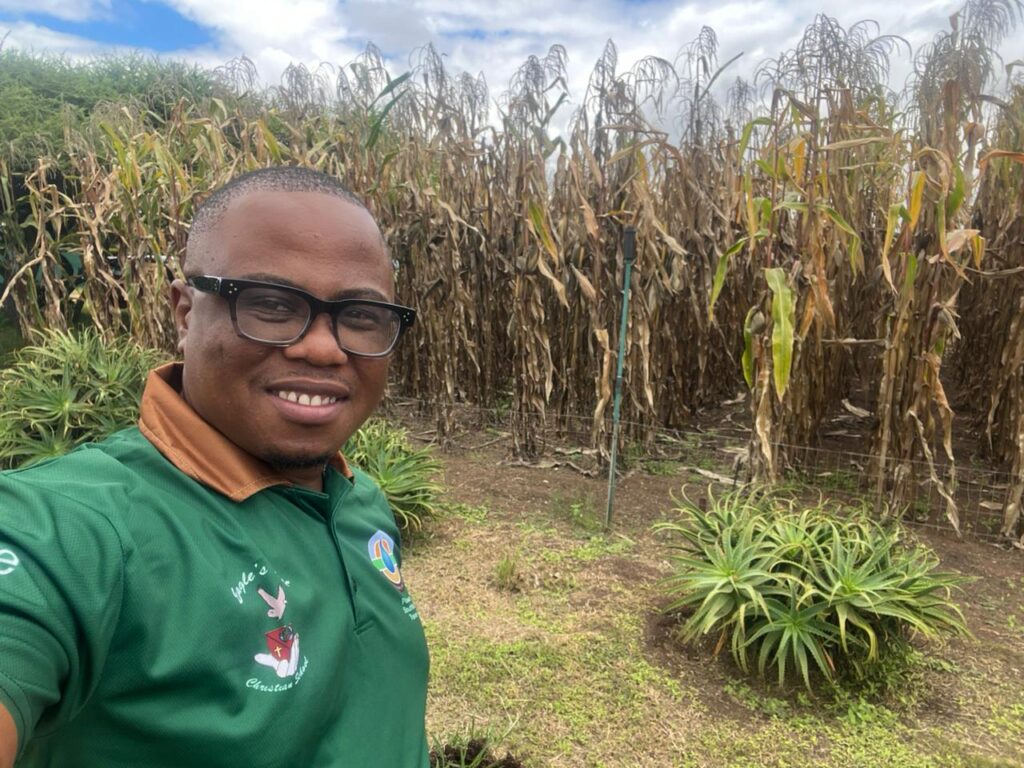
In a world where agricultural development is often discussed in policy rooms and conference halls, Maqhawe Ayanda Mthembu is taking a different route: the soil, the village, and the people who work it.
Based in Centurion, Mthembu is a South African agricultural trainer and community development practitioner whose work has quietly spread across provinces and borders. For over seven years, he has been building something less visible than infrastructure but arguably more powerful – human capability.
At the heart of his work is a simple but demanding idea: that farming is not just about food production, but about restoring dignity, discipline, and economic independence in communities that have long been underserved.
Since 2018, Mthembu has served as a lead facilitator with Foundations for Farming, an initiative rooted in what is often described as “Farming God’s Way.” The model integrates agriculture with financial literacy, faith principles, and family restoration. It is a framework that Mthembu believes speaks directly to the realities of rural and township life.
“I don’t just teach farming,” he often explains in training spaces. “I teach systems for living — how to grow food, manage money, and build sustainable households.”
His training journey took a significant turn in 2019 when he received advanced instruction at the Foundations for Farming headquarters in Harare, Zimbabwe. That experience, he says, expanded both his technical knowledge and his understanding of agriculture as a continental language – one that connects farmers from South Africa to Rwanda, Kenya, and beyond.
In 2022, his work crossed further borders when he delivered financial literacy training through the Crown Money Map programme in Kenya and Rwanda, focusing on stewardship, savings culture, and enterprise development. For Mthembu, agriculture and finance are inseparable tools in the fight against poverty.
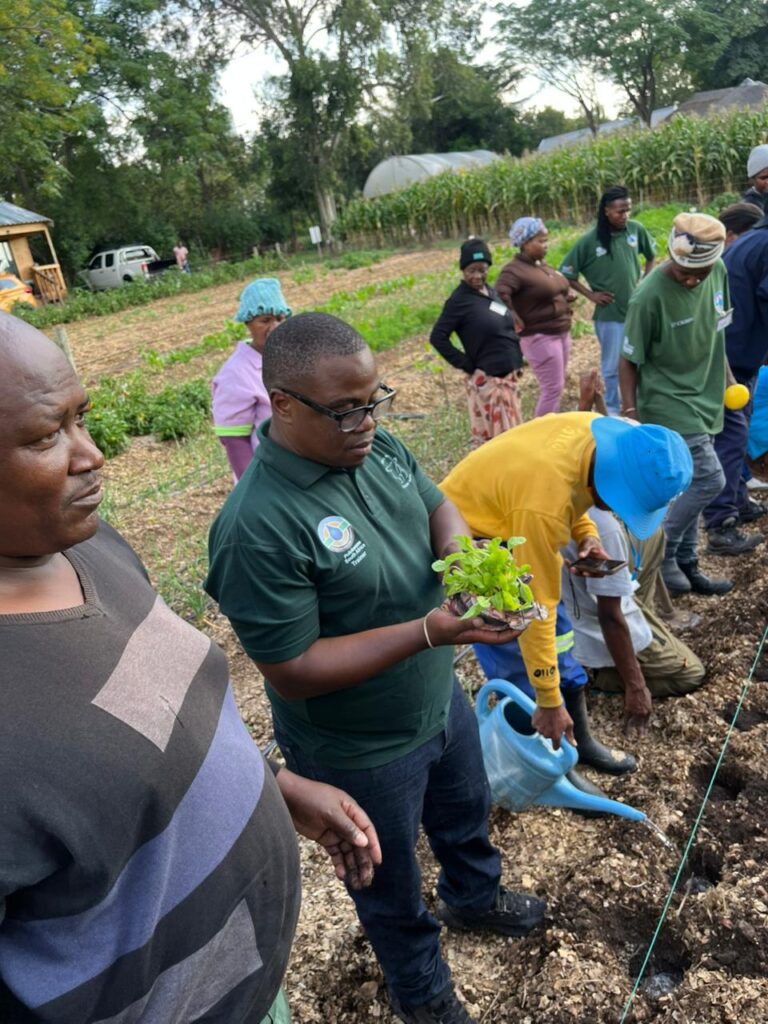

Back home, his impact is felt through multiple platforms. He is the founder and CEO of AgriLimo Investments, a co-founder of Yenzokuhle Training & Development Group, and the creator of the Capable Farmers WhatsApp Network – a digital community linking young agricultural graduates, emerging farmers, and mentors across South Africa.
What sets his approach apart is not only what happens in the training sessions, but what follows them. Mthembu insists on post-training mentorship and monthly follow-ups, a structure he says is essential for lasting transformation.
“Workshops inspire people,” he says, “but systems change lives.”
His work also extends into NGOs and community programmes, including Amazing Graces, where he trains families in sustainable food production and nutrition. Across these initiatives, a consistent theme emerges: food security as a foundation for social stability.
Colleagues describe him as a facilitator who blends technical discipline with relational consistency. From youth groups to church-based initiatives, his workshops are often described as practical, grounded, and deeply community-oriented.
Yet behind the growing list of roles and programmes is a philosophy that remains simple. Mthembu believes transformation is not an event, but a process – one built slowly through trust, repetition, and presence.
In an era where development projects often fade after funding cycles end, his model leans heavily on continuity. It is less about visibility and more about sustainability.
As African agriculture continues to face challenges of food insecurity, climate pressure, and youth unemployment, practitioners like Mthembu represent a quieter but critical force: those working not just on land reform or food systems, but on people themselves. And in the fields and training halls where he works, one message remains constant – that the future of agriculture is not only in better methods, but in better-equipped hands.- @NewsSA_Online
Follow us on our social media platforms below: