The blood of the womb furnished me with a family. The blood of the covenant, however, bestowed upon me brothers who have endured the test of time.
BY MBANGWA XABA
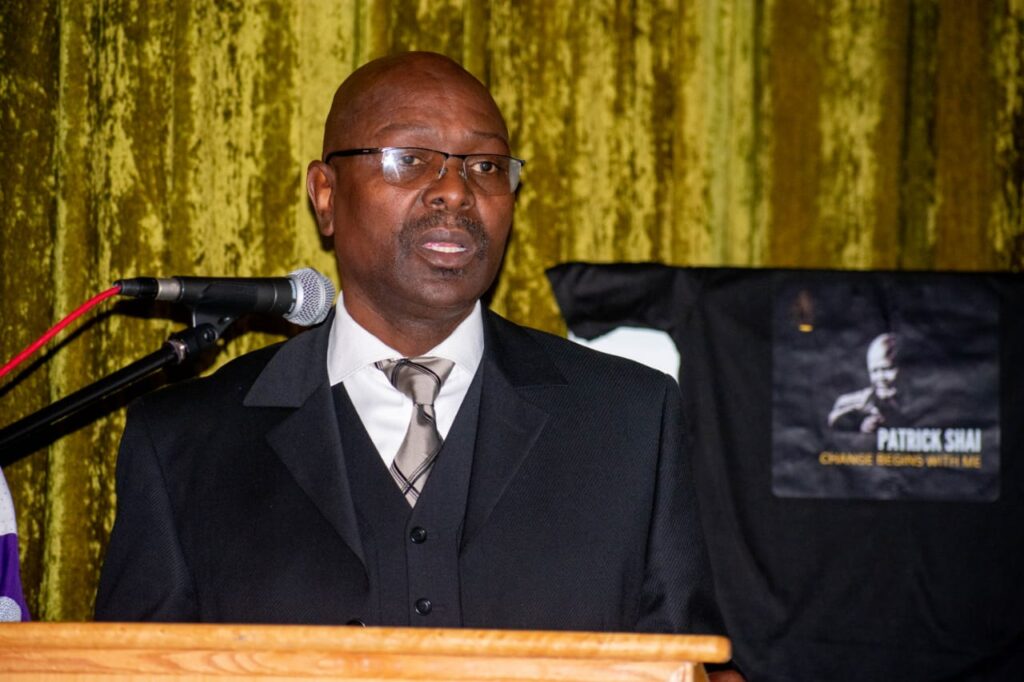
I have spent the better part of my life wrestling with the true meaning of family.
As a boy, I subscribed to the conventional wisdom: family was a birthright, sealed by blood, etched into a surname, and anchored to the roof under which you were raised.
I assumed, as most children do, that those bound to you by lineage would be the very ones to shield you when the world turned hostile. Sometimes, the people who rescue you are not those who share your DNA. Sometimes, kinship is not bestowed at birth—it is forged in the crucible of hardship. It is tested when there is no glory in standing beside you, and every reason to walk away.
I learned this lesson as a young activist in apartheid South Africa, at a time when being young, Black, and politically conscious was tantamount to signing one’s own death warrant. The state wielded extraordinary violence against ordinary citizens. Children were not exempt. The regime understood the power of youth and recoiled at a generation that refused to accept subjugation as its destiny.
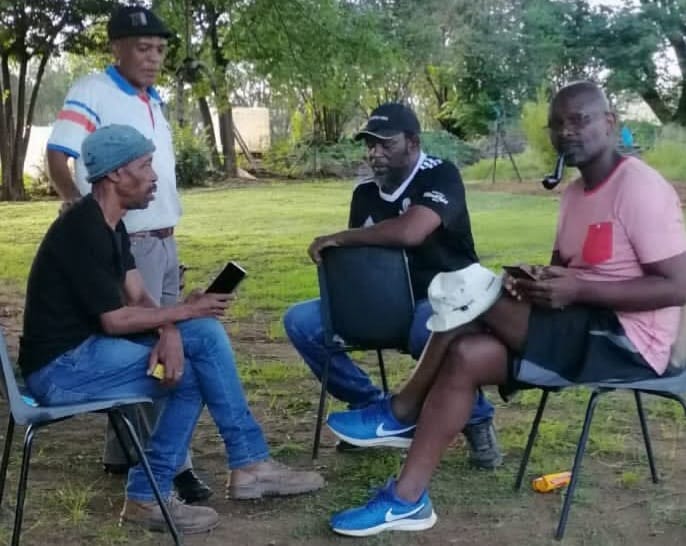
In that cauldron of brutality, two young men stood resolutely beside me: Lehlohonolo Motsoeneng and Tshitso Mokoena.
They were my comrades, but that word feels woefully inadequate. They became my brothers in the most profound sense. Survival was never guaranteed. I wrestled not only with the state’s political tyranny but also with the grinding, daily indignity of poverty. Poverty humbles a person in ways that cannot be described—it erodes dignity when you cannot guarantee your next meal.
Lehlohonolo and Tshitso did not offer me platitudes; they offered me their very sustenance. They shared their meagre resources. They remained steadfast when the prudent choice would have been self-preservation. There was no contract between us, no familial obligation—only a covenant sealed in the fires of shared adversity.
That is what I recall when I reflect on the meaning of brotherhood. Decades have passed, and those men are still alive today. They remain my brothers. The urgency of youth has mellowed into contemplative reflection; our conversations have shifted from survival to grandchildren and the strange, relentless passage of time. But the covenant has never wavered.
Yet, alongside this narrative of enduring loyalty lies a far more painful confession—the story of my biological family.
We share the same blood, the same ancestral memories, the same inescapable history. But blood has not always been a balm; at times, it has been a source of quiet devastation. There were divergences in expectation and trust that left indelible scars—wounds made deeper because those who inflicted them were the very people I never imagined I would need to guard against.
But the most profound sorrow came from my sister. She passed away on my birthday.
Death is always a visceral blow, but hers carried an additional weight: we were estranged. We had ceased speaking over a disagreement that, in the sobering clarity of hindsight, was utterly trivial. I have often marvelled at how families squander time, behaving as though there will always be another Christmas, another phone call, another chance to whisper, “I am sorry.” Then death arrives, and the window of opportunity slams shut forever.
That is the hard-won lesson I wish to share. I mourned her passing, but I also mourned the reconciliation we never achieved—a relationship that might have been salvaged had we been more patient, more forgiving, and more acutely aware of how mercilessly time slips through our fingers.
I have often examined the chasm between my biological kin and the brothers I acquired through struggle, asking myself: What truly constitutes a family? Is it lineage? Is it history? Or is it the unflinching willingness to stand beside another human being in their darkest hour?
I possess no definitive answer. I possess only the testimony of my own life.
Lehlohonolo and Tshitso owed me no allegiance, yet they gave it freely. My biological siblings owed me no perfection, nor did I owe them the same. We are all flawed vessels. But somewhere along the journey, some of us lost the capacity to extend the same grace that strangers often offered with such startling generosity.
Perhaps that is why I remain drawn to supporting others. I have helped young people navigate their paths, entrepreneurs find their footing, and ordinary citizens endure extraordinary trials. I have been buoyed by strangers myself, and that experience taught me that humanity does not conform to the artificial boundaries we erect around kinship. The person who lifts you may not bear your surname. The person who believes in you may not share your ancestry.
This is why I persist in giving, even when I have been met with ingratitude. And I have been met with it—time and again.
I have extended a hand to relatives in their most desperate hours, expecting nothing in return, only to find myself later vilified over grievances I cannot fathom. I have opened my life and my work to strangers who, in a dire and disorienting circumstance, tearfully called me “a brother I never had.” Yet, once their footing was regained, they took the very blueprint of my efforts and turned it against me, leaving my own foundations fractured.
I have opened doors for those who subsequently slammed them in my face. I have defended those who refused to defend me. I have poured into people who drained me dry. And yet, I continue to extend my hand.
Am I a fool? Have I failed to internalise the harsh lessons life relentlessly presents? Perhaps.
But perhaps there is another reason. Perhaps I continue because I vividly recall the boy I once was—hungry, afraid, and teetering on the edge of despair. And I remember two living comrades who looked upon my plight and resolved that my survival mattered.
Lehlohonolo and Tshitso could have easily averted their gaze and muttered, “That is not my concern.” They did not. Their humanity became the scaffolding of my survival. That is why I cannot turn my back on others. A meal is never merely sustenance. A word of encouragement is never merely conversation. A simple declaration of faith—“I believe in you”—can supply a drowning soul with just enough strength to keep swimming.
As I approach the autumn of my years, I grow less preoccupied with titles and labels. I care far more about actions. Anyone can proclaim themselves your brother when the sun is radiant. The true test arrives when the tempest rages—who remains anchored beside?
We have journeyed from the treacherous days of apartheid to the uneven freedoms of democracy. We have evolved from fiery young activists into seasoned elders. We have witnessed our nation transform—sometimes gloriously, sometimes in ways that break the hearts of those who sacrificed so much. We have laid other comrades to rest. We have watched new generations rise. But amongst ourselves, no explanations are required. We know. We were there.
Today, I measure a man’s wealth not by the enterprises he constructed, the titles he accumulated, or the currency he amassed. I measure it by the number of lives he helped carry.
I cannot rewrite history. I cannot undo the estrangement from my sister. I cannot command a stranger’s loyalty or compel a relative to recognise the kindness I extended. But I can dictate the kind of brother I choose to become.
I can decide whether betrayal will calcify my heart or render me more attuned to the fragility of others. I can decide whether disappointment will curdle into cynicism or mature into a deeper, more resilient faith in human goodness.
The blood of the womb furnished me with a family. The blood of the covenant, however, bestowed upon me brothers who have endured the test of time.
Mbangwa Xaba is a veteran of the liberation struggle, a businessman, and a lifelong believer in the transformative power of human solidarity. – @NewsSA_Online
Follow us on our social media platforms below: