Sitha Maliwa
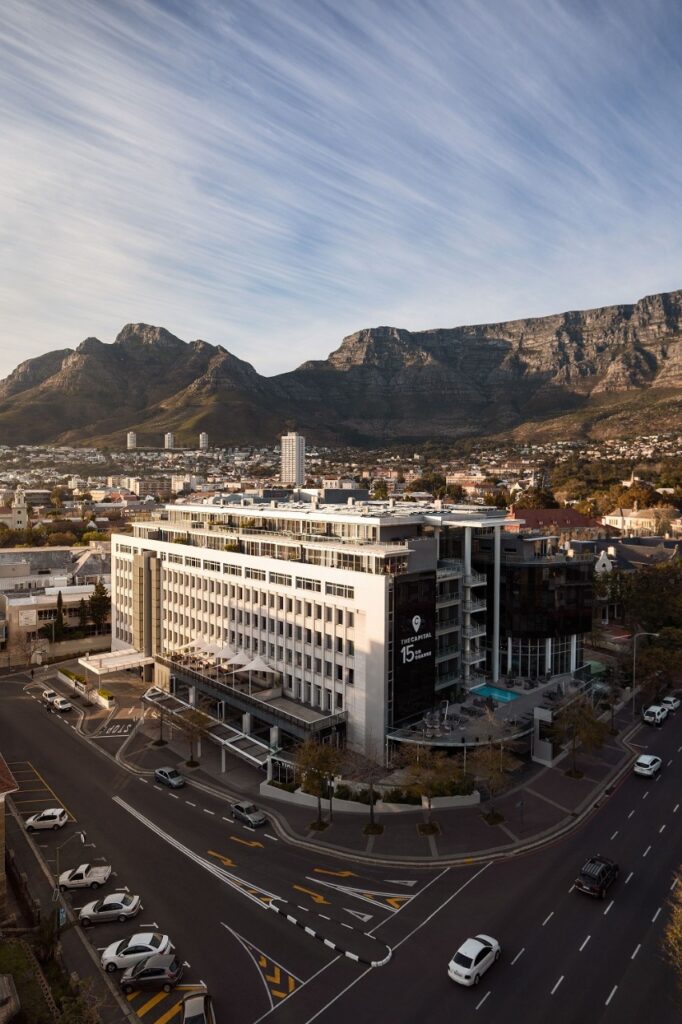
Cape Town, renowned for its stunning landscapes, rich cultural heritage, and world-class hospitality, is increasingly becoming a top destination for Indian tourists. As India’s middle class expands and its appetite for international travel grows, the city on the southern tip of Africa is positioning itself to become a key player in the global tourism scene, particularly among visitors from the Indian subcontinent.
India is one of the world’s fastest-growing travel markets, with its outbound tourism expected to reach 80 million travellers by 2040, according to McKinsey & Company. South Africa, which has historically struggled to capture a larger share of this market due to challenges such as the COVID-19 pandemic and complex visa processes, is now seeing a resurgence in Indian visitors.
In 2024, South Africa welcomed 75,541 Indian tourists, representing a 79% recovery compared to pre-pandemic levels. Industry leaders are optimistic about a continued growth trajectory, targeting a 16% increase in 2025. This resurgence is seen as a major opportunity for Cape Town, which has the potential to expand its international visitor base and offer an attractive alternative to destinations like Dubai, Thailand, and Mauritius.
Cape Town’s appeal to Indian tourists lies in its unique blend of natural beauty, cultural vibrancy, and luxury offerings. Iconic attractions such as Table Mountain, the Cape Winelands, and the V&A Waterfront align with the preferences of Indian visitors, who often seek destinations with both relaxation and cultural exploration. Moreover, Cape Town’s inclusive and diverse atmosphere, emblematic of South Africa’s “Rainbow Nation” identity, makes the city particularly welcoming to Indian travellers.


According to Janus Schoeman, General Manager at The Capital’s 15 on Orange hotel, Cape Town is seeing a rise in visitors from the subcontinent. “Many Indian tourists have yet to explore our iconic sites,” he says. “South Africa’s inclusiveness makes it even more appealing, and we’re thrilled to see more Indian visitors discovering the beauty and culture of Cape Town.”
One of the major obstacles for Indian tourists planning a trip to Cape Town has been the lack of direct flights between India and South Africa. The absence of such flights makes travel time-consuming and inconvenient. The recent high-level delegation visit to India was a step toward addressing this issue, with the hope of securing direct flight routes that would make Cape Town more accessible for Indian travellers.
Visa facilitation has also posed a challenge. Simplifying visa processes and reducing travel barriers are essential to positioning Cape Town as a top choice for Indian tourists. Addressing these issues would not only boost tourism but also allow Cape Town to compete more effectively with popular destinations in Asia and the Middle East.
The timing of Indian tourists’ travel is another advantage for Cape Town. Schoeman points out that many Indian visitors travel during Cape Town’s off-peak season, making it a perfect opportunity to extend the city’s tourist season. By attracting more visitors during these months, the city’s hospitality industry can enjoy year-round business, ensuring long-term sustainability.
Cape Town’s diverse culinary offerings, which include the distinct flavours of Cape Malay cuisine, are also a major draw for Indian tourists, whose culinary culture places great importance on spices and bold flavours. For many, the opportunity to experience both familiar and new culinary experiences in one destination is a compelling reason to visit.
As Indian tourism continues to rise, Cape Town’s hospitality industry, including hotels like The Capital’s 15 on Orange, is ready to cater to this growing market. The city is focused on tailoring its offerings to suit the tastes and preferences of Indian visitors, from providing authentic culinary experiences to offering culturally relevant services that make guests feel at home.
Schoeman emphasises the importance of building relationships with international guests. “We hope that this initiative isn’t just about numbers but about creating a welcoming space where Indian travellers can feel at home for years to come,” he says. This focus on cultural exchange and hospitality is key to ensuring that Cape Town not only attracts visitors but also builds long-term connections with Indian tourists. @NewsSA_Online