By Fawzia Moodley
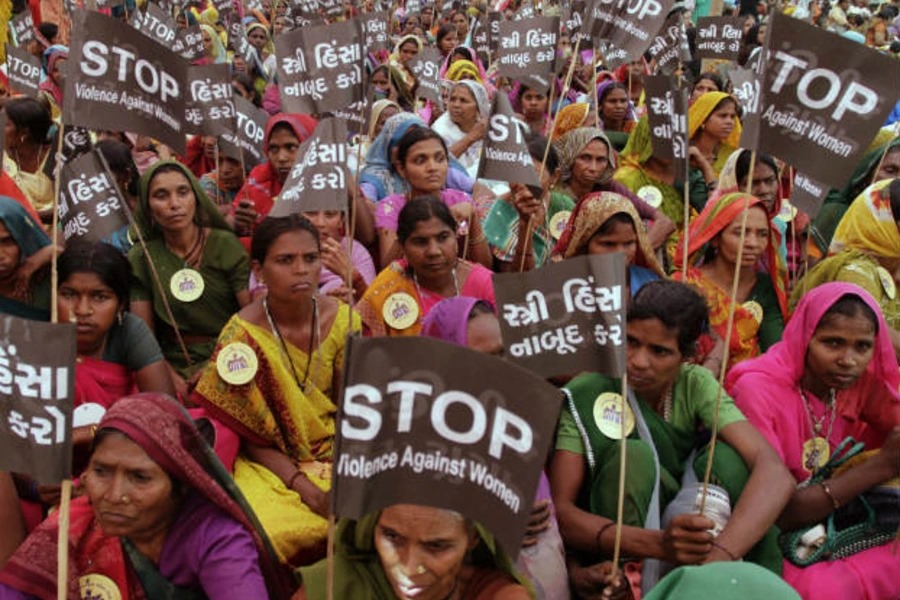
Patriarchy and a lack of education are often linked to gender-based violence and the economic exploitation of women. South Africa and India are among the countries tackling these challenges head-on.
South Africa has made significant progress in empowering women since the advent of democracy in 1994, especially in the political sphere. The country ranks among the top globally for female parliamentary representation. It also held 20th position out of 146 countries in the World Economic Forum’s 2023 Global Gender Gap Report.
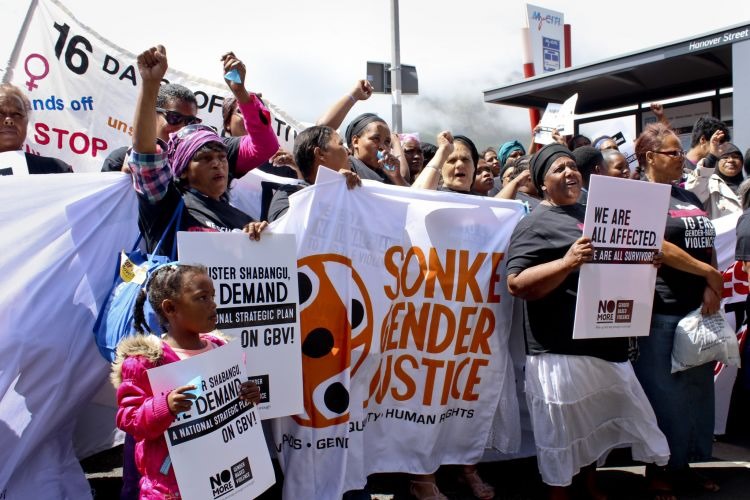
However, despite the mechanisms, including economic empowerment programs and laws to protect women against gender-based violence, South Africa faces significant challenges in terms of extremely high rates of physical and sexual violence against women, pay disparities, and lack of access to quality employment.
India, which, like South Africa, has borne the burden of colonialism, racism, and the remnants of patriarchal social systems, has also put in place various instruments to uplift women and protect their rights.
These measures are bearing fruit and the country is making impressive gains in terms of gender equality and women empowerment. Ranked 122 out of 191 countries in the Gender Inequality Index in 2021, India jumped up by 14 ranks in 2024.
A UNHRC-58 side event titled “Breaking Barriers: Advancing Gender Equity and Empowering Women in India, attended by global policymakers, activists, and experts in Geneva earlier this month, gave a glimpse into the country’s progress in attaining gender equality and empowerment.
SN Sharma, CEO of RSKS (Rajasthan Samgrah Kalyan Sansthan) India, who opened the session, highlighted the transformative impact of education, healthcare, and economic independence on the future of women in India.
He said the Beti Bachao Beti Padhao (Save the Girl Child, Educate the Girl Child) program, which aims to educate citizens against gender bias and improve welfare services for girls, had proved to be highly impactful.
Sharma credited the 33 percent reservation for women in the Panchayati Raj (local self-government system), for the greater involvement of women in development and decision-making in rural and urban areas.
Another important pillar for women’s empowerment is the Sukanya Samriddhi Yojana (SSY), a small deposit-saving scheme offering financial security for the girl child. The scheme provides parents with income tax rebate benefits and an attractive interest rate of 7.6% on the deposits. It offers parents the option to open a tax-free savings account per girl child (under the age of 10 years) and allows parents to make deposits for 15 years.
The Prime Minister’s Safe Motherhood Campaign, which has four pillars: family planning, antenatal care, clean and safe delivery, and essential obstetrics care, is playing an important role in advancing women’s rights by improving the health and well-being of India’s women.
As in South Africa, a phalanx of community organisations is playing their part in advancing the rights of women. In this respect, ASHA (Accredited Social Health Activists) was among the organisations credited for delivering maternal and child healthcare in India.
The UNESCO-58 session also heard of the role of national policies in combination with the increasing involvement of women in education, water and environment management, and the emergence of women-led Farmer Producer Organizations (FPOs) in improving the lot of India’s women
The session ended with a call for global cooperation to promote gender equality and acknowledge the crucial role of women in shaping societies where gender equality and women’s rights and dignity are enshrined – the kind of societies that both India and South Africa are striving to create. – NewsSA_Online