By News SA Correspondent
:
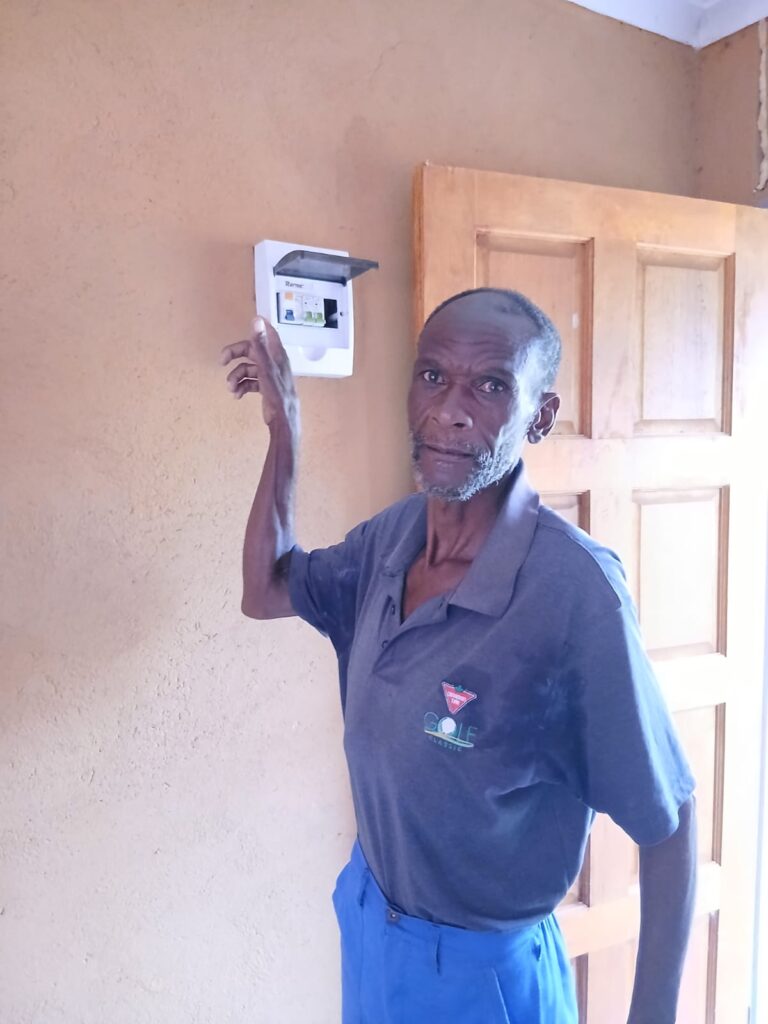
For most families in Praktiseer, Limpopo, the flick of a switch brings light, warmth, and dignity – but for 66‑year‑old Jan Sekhwele Mnisi, a widower and father of two, that simple act remains a dream deferred.
His government‑subsidised RDP house, built to restore hope and dignity, stands as the only home in the settlement without electricity — a promise unfulfilled, a life suspended in darkness.
Mnisi moved into his two‑bedroom house two years ago, joining neighbours who celebrated the long‑awaited delivery of a proper shelter in the area, situated outside the mining town of Burgersfort. Yet while others rejoiced at the hum of appliances and the glow of electric bulbs, Mnisi’s household was left behind. “We are forgotten,” he says, his voice heavy with resignation. “We have been living in this situation for so long now. My biggest sin is surviving by doing odd jobs, cleaning people’s yards. But life without electricity moves at a snail’s pace.”
The absence of power has turned daily survival into a costly ordeal. Candles, paraffin stoves, and wood fires have become the family’s lifeline — unreliable substitutes for modern energy. A paraffin stove cost him R180, and the monthly expense of ten litres of paraffin drains R300 from his meagre pension. Firewood, often damp in the rainy season, refuses to ignite, leaving the family cold and hungry. With winter biting, Mnisi’s frail health makes the task of gathering wood even more punishing. “It is so difficult, but we try our best to survive under the circumstances,” he says.
The impact on his children is profound – their tiny frames, while their learning is a nightmare. Homework and study sessions are interrupted by the lack of light and the inability to charge cellphones or devices that connect them to the vital modern technology. “This situation is painful. It shows our lives have no value to the government,” Mnisi laments. The boys, like their father, are forced to adapt — eating tinned food that lasts longer without refrigeration, buying bread daily, and enduring the indignity of living in a cold, powerless home.
The family’s social grants barely cover food and water, leaving little for clothing, school uniforms, or furniture. “Anyone who is willing to help us with clothes, furniture, and school uniforms for the young ones will be a blessing to us,” Mnisi pleads. His words echo the frustration of a man who has endured loss — his wife passed away years ago — and now shoulders the burden of survival alone.
For Mnisi, the government’s promise of dignity has become a cruel reminder of exclusion. While his neighbours thrive under electric light, his household remains trapped in shadows, a symbol of neglect in a community meant to be uplifted. His story is not just about electricity; it is about recognition, about being seen, and about the right to live with dignity in a democratic South Africa.- @NewsSA_Online
Follow us on our social media platforms below: