New South Institute brings leading South African and global thinkers and public policy experts to Johannesburg to examine state capability, institutional reform and the machinery of democracy
BY NEWS SA CORRESPONDENT:
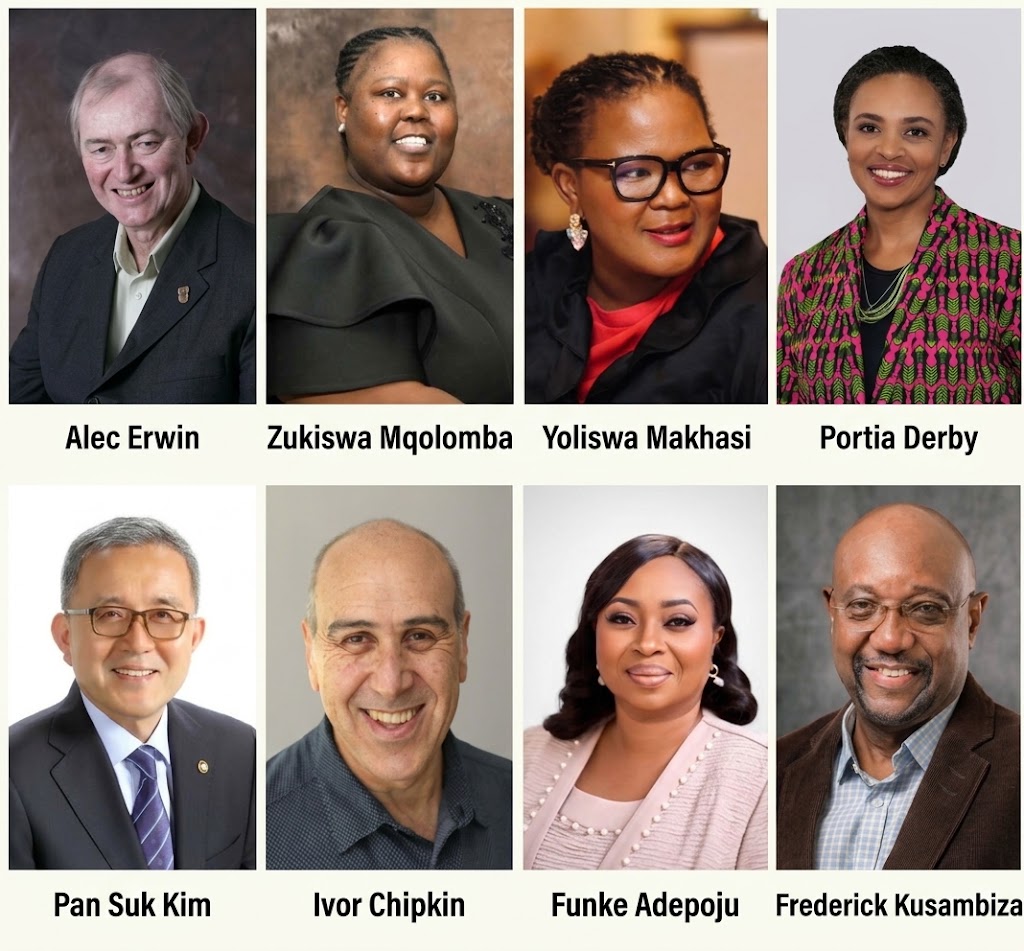
JOHANNESBURG: Hot on the heels of the International Day of Democracy, the New South Institute (NSI) will convene Statecraft 2026 – The Machinery of Democracy in Johannesburg next week.
The occasion will bring leading South African and international thinkers and practitioners together to examine the institutions and systems that make democracy work.
Taking place at the Gordon Institute of Business Science (GIBS) on 22 and 23 September, Statecraft moves the conversation from democratic participation and citizens having a voice to an equally important question: are the institutions of government capable of responding?
The two-day congress brings together intellectuals, former government officials, senior public servants and institutional reform specialists to examine the machinery behind democratic government. Sessions and panel discussions will cover topics ranging from the appointment of senior officials and the protection of civil-service independence, to corruption and patronage, political-administrative relations, the governance of cities and state-owned enterprises, and meaningful public participation.
For Ivor Chipkin, Co-Founder and Director of the New South Institute, the breadth of the programme reflects the fact that institutional capability cannot be separated from the wider democratic debate. “We spend a great deal of time talking about elections, political leadership and democratic participation, but considerably less time examining the institutions that have to turn political choices into effective government,” Chipkin says.
“Statecraft brings those questions together. How do you appoint capable senior officials? How do you protect a professional civil service from patronage and corruption? How should politicians and administrators work together? What makes a city function?
These may sound like questions of public administration, but they are fundamental questions about whether democracy is able to deliver.”
International experience, South African questions
Speakers include Dr Funke Adepoju, Director-General of the Administrative Staff College of Nigeria; Kadari Lincoln Singo, CEO of Tanzania’s Uongozi Institute; and Robert Soluntul Bestman, Mayor of Paynesville, Liberia. They will be joined by South African and international participants including Professor Pan Suk Kim, former South Korean Minister of Personnel Management; Magdalena Rojas Wettig of Chile’s Council for the Senior Executive Service; Eko Prasojo, former Indonesian Vice Minister; and Margot Conrad, a former senior official in the US Office of Personnel Management.
Together, they bring practical and comparative experience to one of the congress’s central discussions: how democracies appoint their most senior public officials and build professional administrations capable of surviving changes in political leadership.
Daniel Kaufmann, co-creator of the Worldwide Governance Indicators, joins political scientists Bálint Madlovics and Dušan Pavlović, together with Chipkin, for “Political Patronage, Corruption and Informal Power”. This panel will examine how institutions are weakened even where formal rules and democratic structures remain in place.
Another international-level discussion,
“Managing the Political-Administrative Interface”, addresses one of the persistent tensions within democratic government: how elected politicians exercise legitimate political authority while maintaining a professional administration capable of implementing policy, without becoming an extension of party or personal interests.
The same questions are brought directly into the South African context through “Protecting Civil Service Independence in South Africa”, with Andrew Boraine, Research Fellow and Head of NSI’s Public Service Programme and former DG of the Department of Public Service and Administration, Yoliswa Makhasi and former Transnet Group Chief Executive Portia Derby, while former Public Enterprises Minister Alec Erwin and former Eskom Turnaround Board member Claudelle von Eck turn audience attention to the governance of state-owned enterprises.
When The Machinery Becomes Visible
Perhaps nowhere is the relationship between democracy, institutional capability and daily life more evident than in local government.
On the second day of the congress, “Governing Johannesburg – What Would It Take?” examines the institutional, administrative and political conditions required to govern South Africa’s largest city effectively. It sits alongside “Urban Governance – What Makes Large Cities Well-Administered?”, bringing international experience into conversation with the challenges facing Johannesburg and other South African cities.
The programme also returns directly to the theme of International Day of Democracy through “Deepening Public Participation and Civic Engagement”, considering the relationship between citizens and the institutions that govern them, beyond the electoral cycle.
Statecraft concludes with “Bureaucracy and Democracy – The Reform Agenda Ahead”, drawing the two days together around the central question underpinning the congress: what institutional capability does a functioning democracy require?
For South Africa, these discussions come at an important time. Public-service reform, state capability, municipal governance, corruption and the legacy of state capture, political appointments, and the relationship between political and administrative authority remain central to the country’s governance debates. Recent public-service reforms have also shifted an important part of that conversation from diagnosis towards implementation.
Statecraft has been curated and conceived by NSI as a working congress rather than a conventional conference. Speakers will make short interventions before moving into moderated discussion, comparative analysis and engagement with practitioners in the room.
International panels will bring speakers from around the world into live virtual conversation with the audience at GIBS, while South African sessions will take place in person.
Statecraft 2026 – The Machinery of Democracy takes place at the Gordon Institute of Business Science (GIBS), Johannesburg, on 22–23 September 2026.
Registration is free, but places are limited. Online participation is available.
Register for Statecraft 2026 and find out more
View the full Statecraft 2026 programme – @NewsSA_Online
Follow us on our social media platforms below: