BY THE BUZ HIVE:
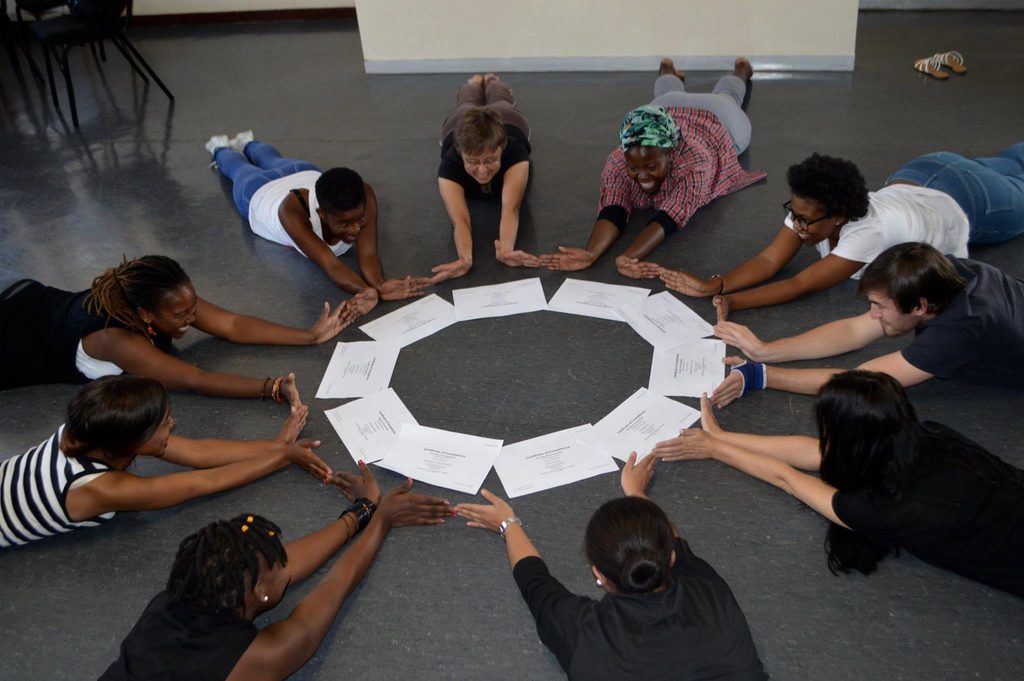
Fifty years after the Soweto Uprising, South Africa’s young people are coming of age in a very different country, but many of the questions around inequality, opportunity, participation, protest and the promise of democracy remain profoundly relevant.
It is against this backdrop that Drama for Life at the University of the Witwatersrand will host its 18th Drama for Life Conference and Festival, Footsteps on Fire: Reclaiming the Legacy of 1976 to Now, on 22 and 23 September 2026 at Wits University.
Bringing together performance, research, public dialogue, workshops, screenings and site-specific experiences, Footsteps on Fire will examine what one generation inherits from another and, importantly, what it chooses to do with that inheritance. At its heart is a simple question: How do we inherit, perform and live out our history, and how do we want to perform it forward?
Taking place in a year that marks 70 years since the historic 1956 Women’s March, 50 years since the 1976 Soweto Uprising and 30 years since the adoption of South Africa’s Constitution in 1996, the Conference and Festival brings these defining moments into conversation with the South Africa of today.
Rather than treating these as separate anniversaries or moments to be commemorated from a distance, Footsteps on Fire places them in conversation with the South Africa of today. Whose footsteps are we walking in? Which stories and experiences have been lost or erased along the way? What remains unfinished? And what will today’s generation do differently?
These questions have particular resonance in a country where young people continue to experience high unemployment, inequality, exclusion and growing disillusionment with democratic institutions, while at the same time creating new forms of activism, art, enterprise, community and public participation.
The Conference and Festival therefore deliberately looks forward as much as it looks back. “Footsteps on Fire is not about romanticising the past,” says Conference and Festival Director Ross-Junior Hlongwane.
“It is about understanding what we have inherited, interrogating where we are now and creating space for young people, artists, researchers and communities to imagine what comes next.”
Theatre as More Than Performance
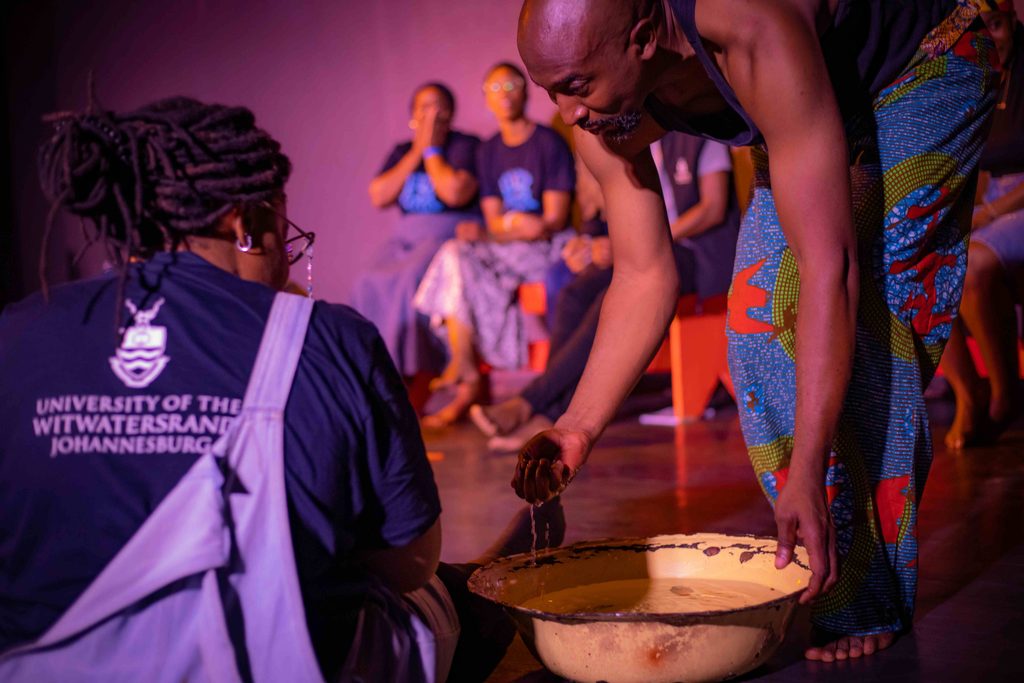
Central to the two-day gathering is Drama for Life’s understanding of theatre and performance as more than entertainment. Performance becomes a way of asking questions, preserving and challenging memory, making lived experience visible and creating conversations that conventional academic or public platforms do not always allow.
The programme will explore youth agency and intergenerational dialogue; democratic and constitutional participation; memory, identity and access; grief and healing; performance as inquiry and social intervention; and the possibilities of alternative futures and radical imagination.
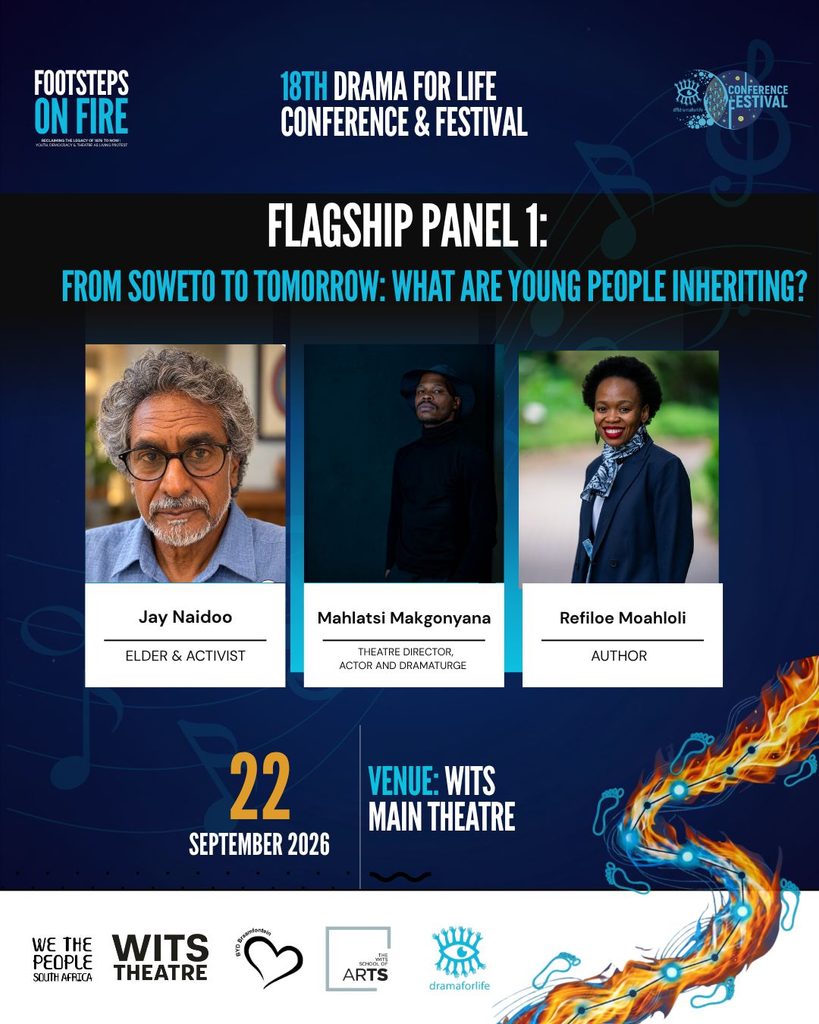
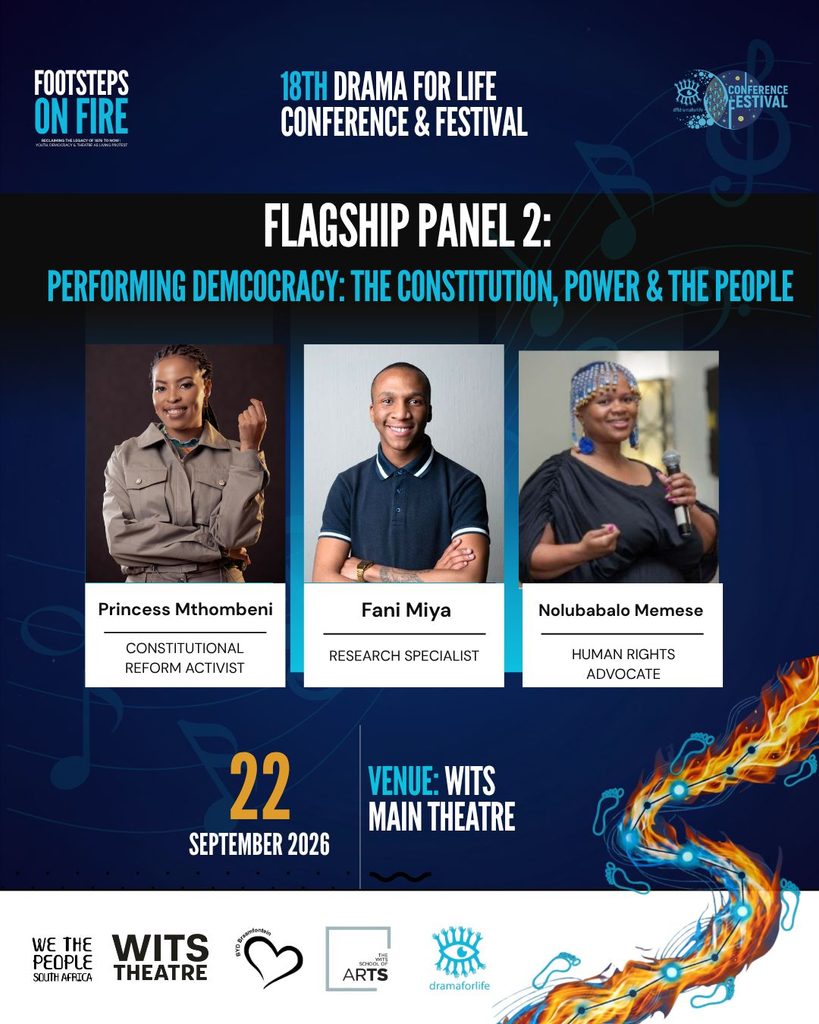
A diverse group of voices is expected to participate in the programme, with panellists including Mahlatsi Makgonyana, Refiloe Mohaoli, Mbali Baduza, Princy Mthombeni, Dr Ayanda Khala, Dr Mmatshilo Motsei, Themba Mkhoma, Irfan Mangera and former Cabinet member and founding COSATU General Secretary, Jay Naidoo.
Day One, themed Memory, Protest and Democratic Practice, begins at Wits University before participants engage in a series of performances, dialogues, and site-responsive experiences that connect the university with the Constitution.
Throughout the day, performance, spoken word, music, and public engagement will weave together stories of women’s resistance, education as resistance, the legacy of 1976, and the living significance of South Africa’s Constitution.
The programme includes an opening plenary, The Fire We Inherited, research presentations and workshop sessions, the flagship panel discussion From Soweto to Tomorrow: What Are Young People Inheriting?, and a professional theatre performance. Together, these events invite participants to reflect on the past, interrogate the present, and imagine more just and democratic futures.
Day Two, Healing, Belonging and Collective Futures, turns more deliberately towards the present and future through keynote dialogue, research, workshops, screenings and public conversations. Among these will be Performing Democracy: The Constitution, Power and the People and Theatre as Living Protest: Can Art Still Change the World?
Together, the conversations explore not simply whether democracy is working, but what participation in democracy actually means, who feels able to participate, and the role that artists, communities and young people can play in shaping public life.
NOT YOUR CONVENTIONAL CONFERENCE
Footsteps on Fire has deliberately been designed to move away from a format in which delegates spend two days sitting and listening.
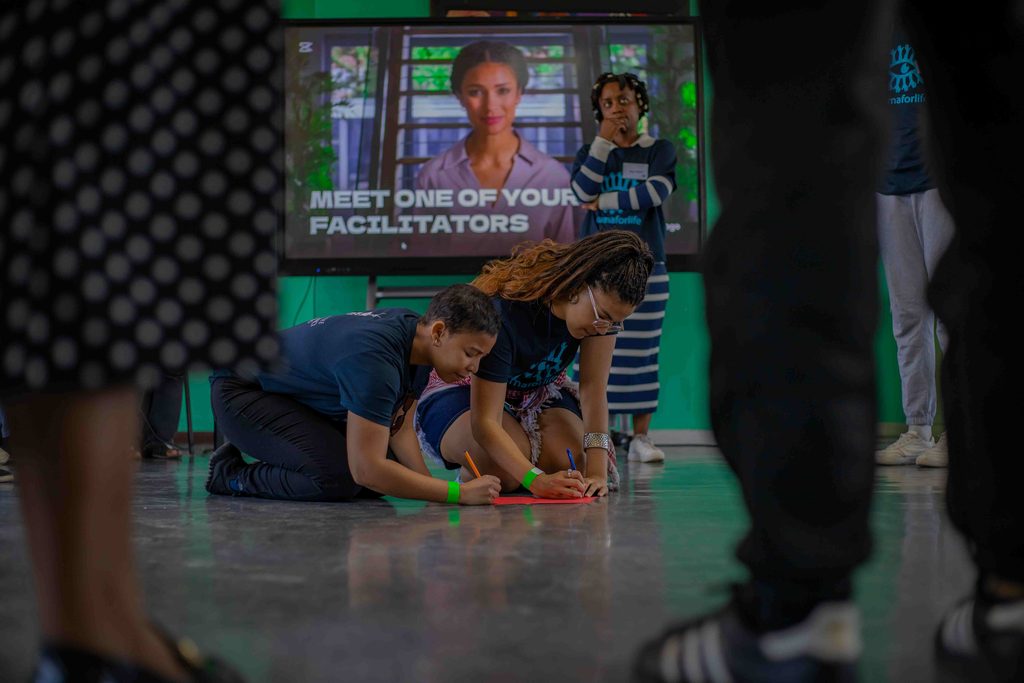
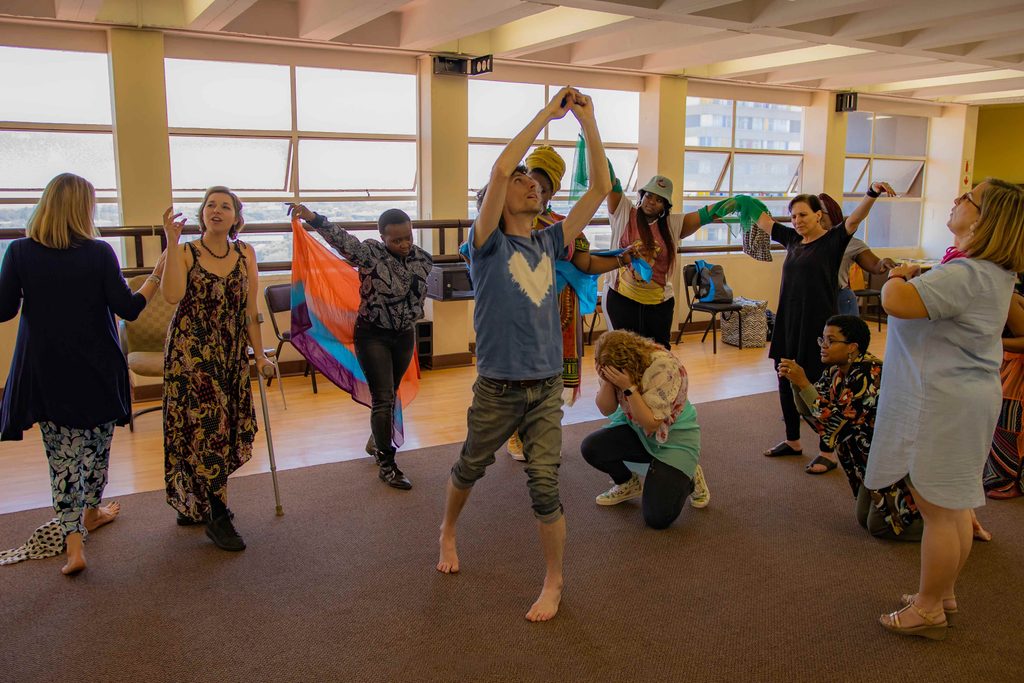
The programme alternates between Together Moments, where everyone comes together for major conversations and performances, and Separate Moments, where participants choose between workshops, research presentations, screenings, performances and other experiences.
The intention is to make participation part of the conference itself ad people to talk, listen, move, watch, question, perform and encounter the city and one another in different ways.
For Drama for Life, this reflects nearly two decades of work at the intersection of applied arts, education, research, performance, healing and social transformation.
The annual Conference and Festival has become a meeting place for artists, academics, researchers, practitioners, educators, students and communities to explore some of society’s most pressing questions through creative and embodied practice.
For its 18th edition, Footsteps on Fire draws on the memory of 1956 and 1976, and the democratic promise embodied in South Africa’s 1996 Constitution, to consider what these moments mean to a generation living in 2026. Moving through memory, dialogue, embodied practice and healing towards collective action, the Conference and Festival is ultimately concerned with what comes next: how the experiences and struggles of previous generations inform the choices being made today, and how young South Africans can help shape the country they will inherit.
EVENT DETAILS:
18th Drama for Life Conference and Festival
Footsteps on Fire: Reclaiming the Legacy of 1976 to Now
Dates: 22–23 September 2026
Venues: University of the Witwatersrand, Braamfontein, Johannesburg
Presented by: Drama for Life, University of the Witwatersrand
Conference & Festival Director: Ross-Junior Hlongwane
Deputy Director: Kabelo Mokgehle
Administrator and Coordinator: Buhle Sibanyoni
Transport partner: BYD Braamfontein
ABOUT DRAMA FOR LIFE
Drama for Life, based at the University of the Witwatersrand, works at the intersection of applied arts, performance, education, research and creative practice. Its work creates spaces for critical reflection, dialogue, learning, social engagement and transformation.
The annual Drama for Life Conference and Festival brings together research, artistic practice and public participation to engage some of the most pressing social questions of the present.
Drama for Life University of the Witwatersrand
DFL.Conference@wits.ac.za
www.dramaforlife.co.za
Social media: @dflwits
MEDIA AND CONFERENCE ENQUIRIES:
Bridget van Oerle
The BUZ Hive
bridget@thebuzhive.co.za / media@thebuzhive.co.za – @NewsSA_Online
Follow us on our social media platforms below: