BY NDZIPO THEMBANI KALIPA:
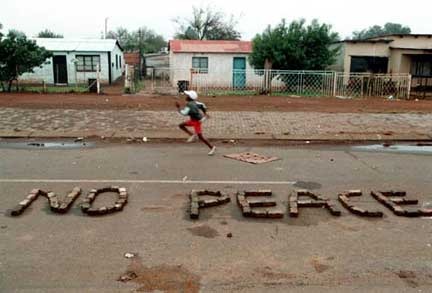
The veterans of Tokoza and Phola Park, including former ANC-aligned Liberation Peace Corps members, have expressed deep frustration about the neglect of their communities and the failure to recognise the contribution they made during the political violence and township struggles of the 1990s.
These veterans and residents believe that since 1994, their constituencies have not received the level of service delivery, recognition, and leadership they deserve. In response to this frustration, the community has chosen to engage directly with ANC representatives, including ANC National Chairperson Mr Gwede Mantashe and ANC Ekurhuleni Regional Chairperson Mr. Doctor Xhakaza. They invited them to attend meetings with a view to intervening in matters concerning the recognition of the struggle leadership role they played, service delivery, and the historical identity of the communities.
The Outreach Committee in the Office of the ANC Chief Whip in Ekurhuleni was also apprised of the development regarding the agenda to establish and commemorate the memorial site for the former Phola Park self-defence units. The proposed commemoration seeks to honour fallen heroes and recognise the roles played by community members during one of the most difficult periods in the history of Tokoza and surrounding townships.
The meeting also served as a reminder of the many unsung heroes whose sacrifices have never received adequate recognition. During the political violence of the 1990s, communities were left vulnerable amid serious security weaknesses.
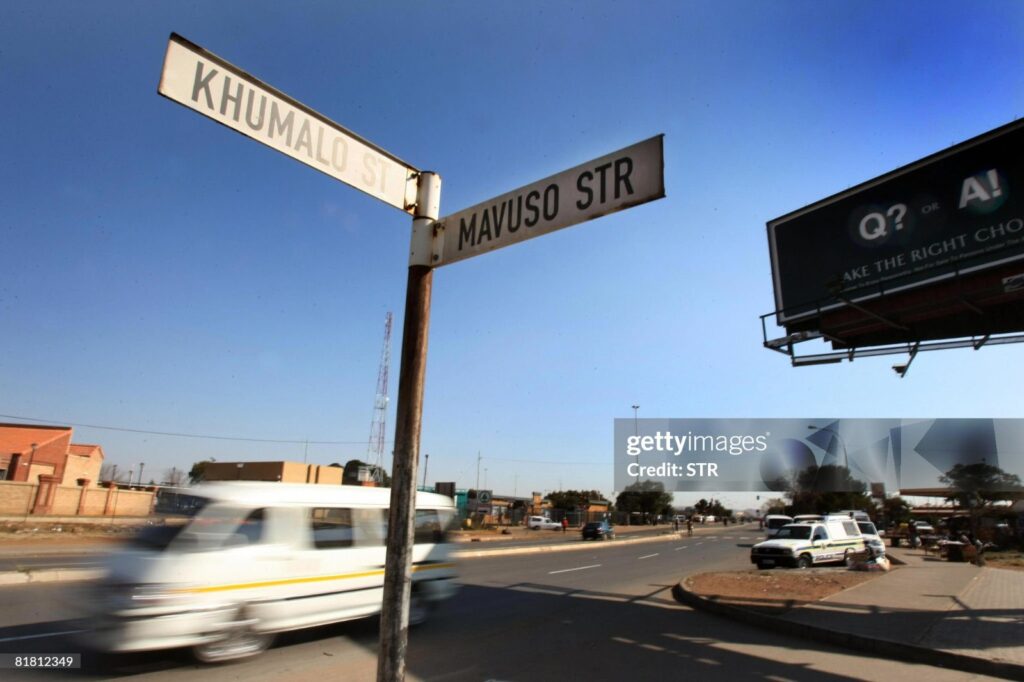
Residents were forced to defend themselves and their families against attacks and vigilante violence, which came in particular from hostel residents linked to the Inkatha Freedom Party, who targeted communities, members of certain political formations, and people from different ethnic and political backgrounds. The violence extended from Khumalo Street in Tokoza towards Alrode industrial areas and the surrounding. Ordinary residents endured years of fear, displacement, loss of life, and insecurity.
More than three decades after the transition to democracy, many community members who stood up to protect themselves and others are now feeling forgotten. Many of the veterans believe that their sacrifices have not translated into meaningful recognition or adequate support. They continue to experience serious challenges, including poor service delivery, inadequate attention given to military veterans’ needs, deteriorating infrastructure and a lack of meaningful engagement from political leadership.
Tokoza and Phola Park continue to face unacceptable conditions, including poor sanitation with sewage overflowing into the streets and inadequate municipal services. This is particularly painful for residents who contribute to the municipal coffers as ratepayers and who expect accountable and responsive local government.
The Role of Religious Leaders in Building Peace
During the years of political conflict, religious leaders played an important role in promoting dialogue and peace between communities and opposing groups. They helped establish peace structures and engaged with warring parties from both sides, including representatives of self-defence units.
Among those who participated in the peace efforts were religious leaders such as Methodist Church Bishop Mvume Dandala, Reverend Ngamdana of the local circuit, Faith Mission Church Pastor James Mogolelwa, Bishop Ngunda Nkosi of the BMC, Bishop Mahue Moakena and Bishop Tshabalala.
These religious leaders became important partners in the community’s struggle for peace. They supported displaced residents of Tokoza, including people from Phenduka Section and hostel communities, and worked to encourage dialogue between groups affected by the violence. Their intervention demonstrated the importance of independent community leaders in resolving political conflict and rebuilding trust.
A Call for Intervention and Accountability
There are continuing concerns about conditions in hostel areas, electricity, municipal services and the responsibilities of residents, suppliers and local government. Questions have also been raised about municipal accountability, administrative failures and allegations of maladministration within the City of Ekurhuleni.
As a victim of that political violence myself, I believe that there is an urgent need for further intervention by the Gauteng Provincial structures, including the provincial Political Killings Task Team (PKTT), where appropriate. Such intervention should not be limited to political party structures. It should also involve veterans, victims of political violence, community organisations, traditional and religious leaders, former self-defence structures and representatives of communities that were directly affected by the conflicts of the 1990s.
The purpose should be to establish a meaningful process of engagement, reconciliation and peace-building. The historical role of self-defence units and the involvement of Inkatha Freedom Party-aligned structures should be addressed honestly and responsibly, without reopening old divisions or encouraging further conflict. Tokoza and Phola Park need a renewed commitment to peace and dignity – @NewsSA_Online
Follow us on our social media platforms below: