BY THOBILE JIWULANE:
Just as spring began to show its bright colours, ushering in optimism after August’s women’s month, darker stories of abuse resurfaced—reminders that violence against women remains a national wound.
These were not new tales, but old scars retold, their vileness etched into memory. It is remarkable, yet understandable, that a story of molestation from 2010 could still leave an audience in tears sixteen years later.

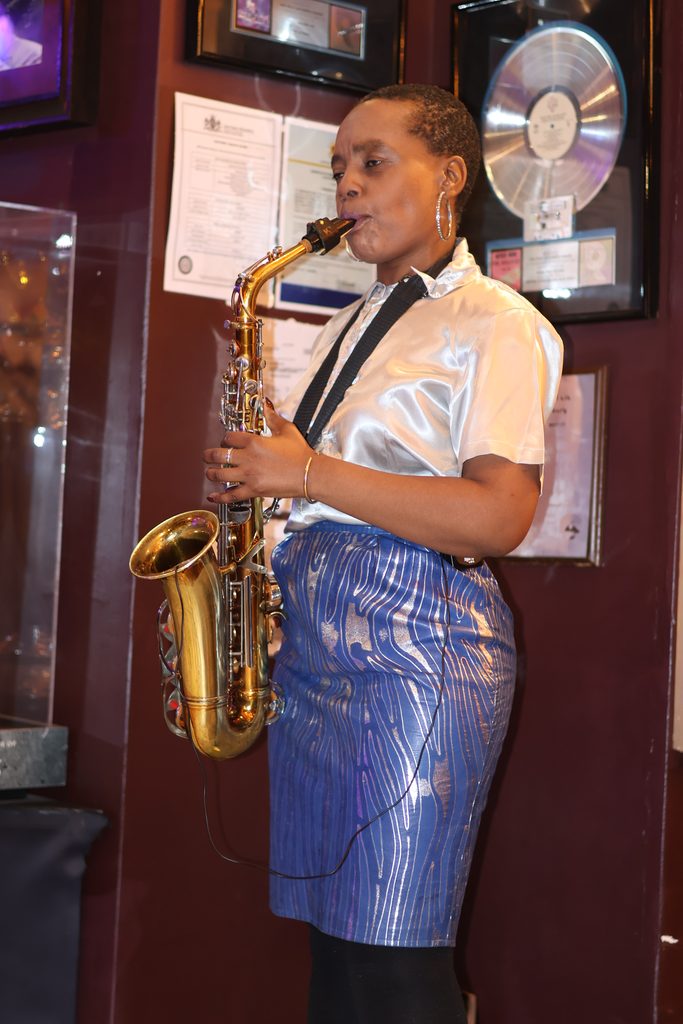
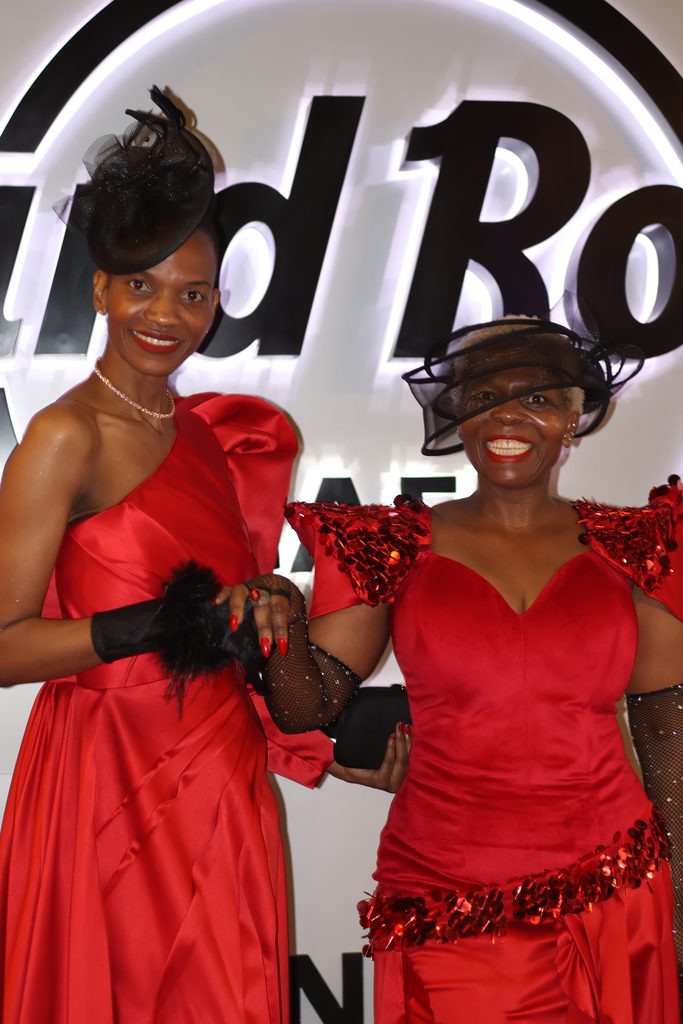
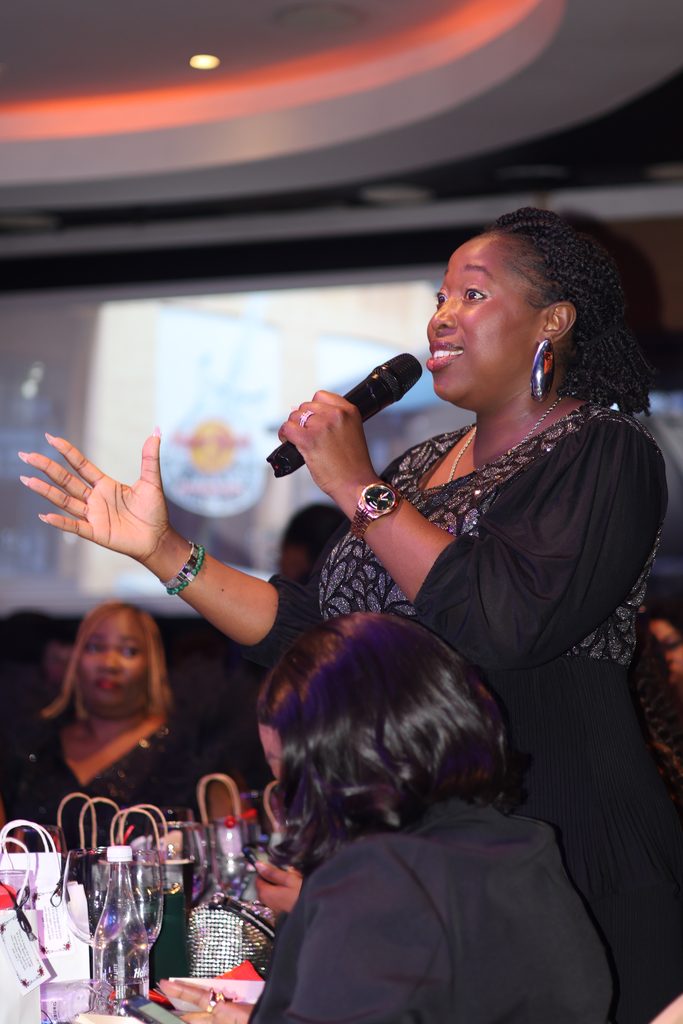

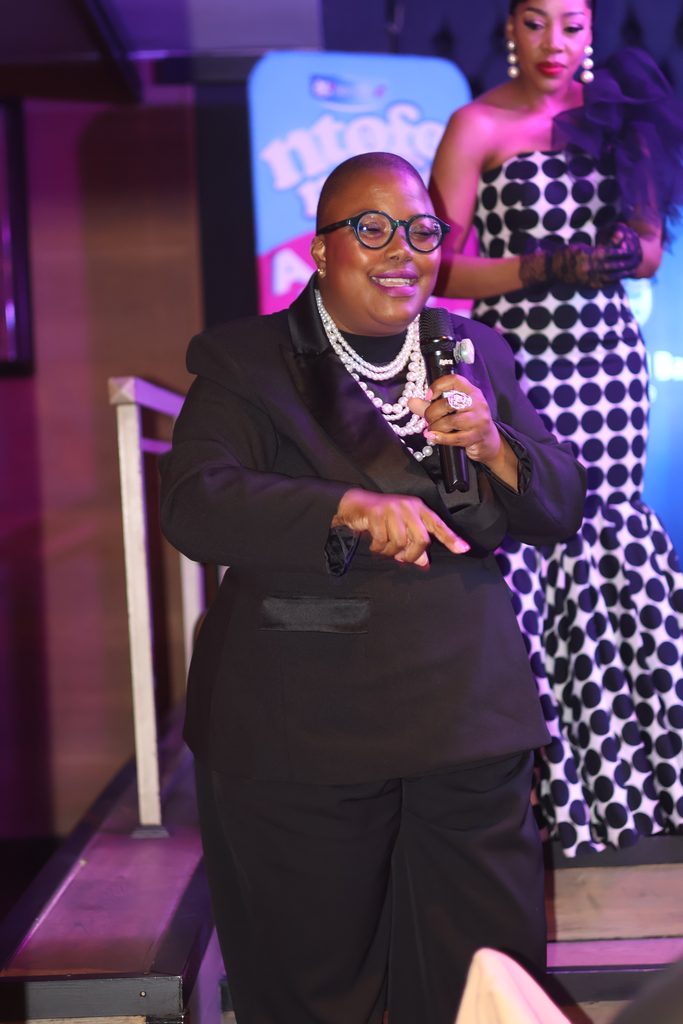
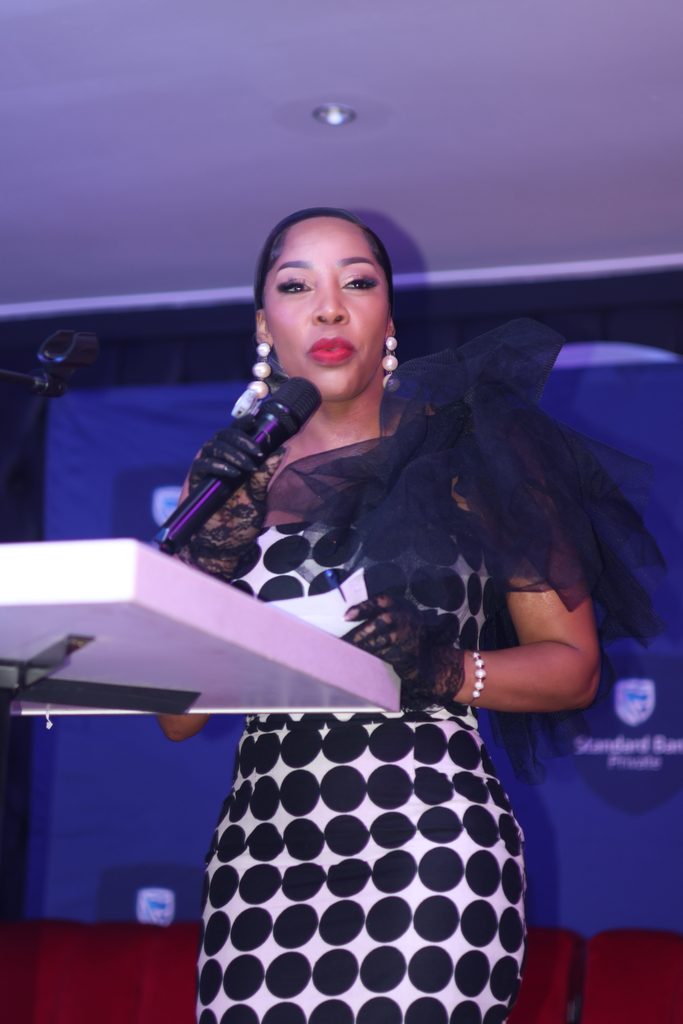
On Saturday, 5 September 2026, the Executive Business Network Gala at Hard Rock Café Johannesburg in Sandton’s Nelson Mandela Square became a stage for survivors. The theme—“For there is hope for a tree: If it is cut down, it will sprout again, and its tender shoots will not fail”—set the tone. Three women, joined by a couple who shared their own journey, spoke of trauma, survival, and resilience. The evening’s keynote speaker, Dr Nkosazana Dlamini Zuma, the 77 year old ANC stalwart and former Cabinet Minister, offered motherly counsel and a stern call: ‘abuse must stop.’
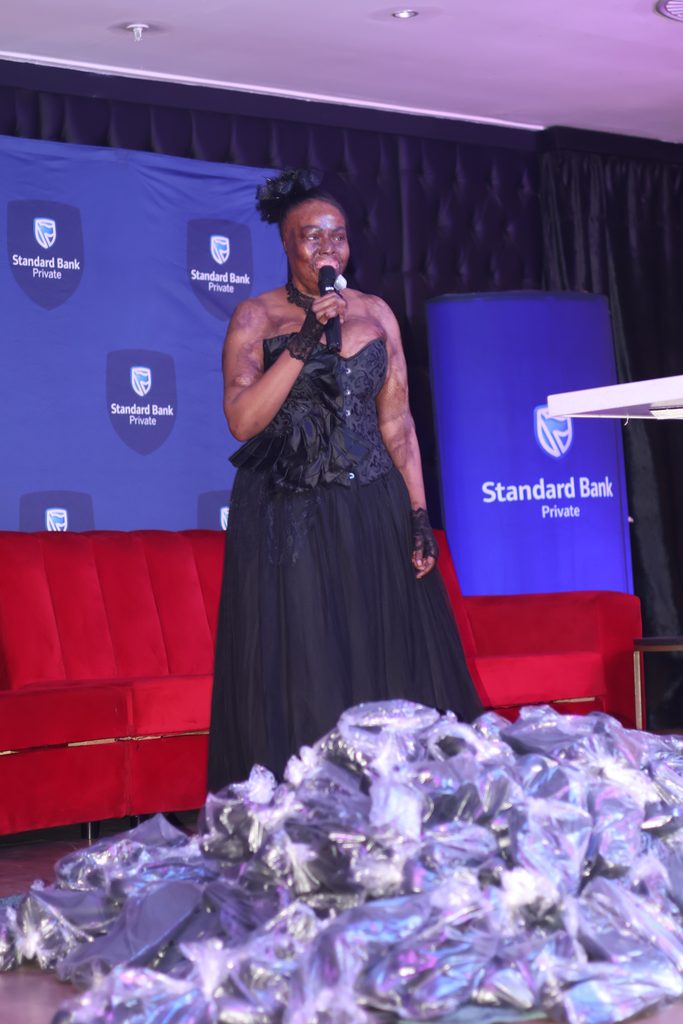
Ms T: Flames of Survival
The most harrowing testimony came from Thembi Maphanga, affectionately known as Ms T, a gender based violence activist and burn survivor. Her external scars are visible, but the deeper wounds remain hidden. She recounted how her abusive husband set her alight along with her two year old daughter in 2010. Her ordeal began with minor bruises—assaults she concealed with makeup, clothing, and headgear. Even her family, including her mother, remained unaware. But one day, rage consumed her husband. He locked her and her daughter in their room, doused her with petrol, and struck a match. Ignoring her pleas, he fled through a window while flames engulfed the room.
Ms T managed to escape through the same window, her body ablaze. A neighbour, wrapped in a blanket, braved the fire to rescue the child. Tragically, the little girl, Kamo, died two days later. Ms T spent months in a coma, awakening to the devastating news that her daughter had been buried while she lay unconscious. It was a double blow: her son, Kamo’s twin, had died at birth.
Today, Ms T lives with a permanently disfigured face and the cruelty of being mocked as a “spook” or “animal.” Yet she embodies resilience. After two years of recovery, her employer welcomed her back and found her a role suited to her condition. Her story encapsulated the evening’s theme: survival is possible, but silence is deadly.

Sihle Sibisi: Betrayed by Faith
Activist Sihle Sibisi followed with another painful account. At 15, she was trafficked to Nigeria, where she became a victim of abuse at the church of the late evangelist TB Joshua. For four years, she endured rape, emotional torment, and psychological abuse. Congregants branded her a “church prostitute,” while her own mother, a devoted follower of Joshua, turned against her.
Back in South Africa, stigma persisted. When her daughter later died of an aneurysm, neighbours claimed it was divine punishment for speaking against Joshua. “Women were cutting down my tree,” she recalled. “Nobody came to say, ‘let’s find out.’”
Her vindication came years later when a BBC documentary exposed widespread abuse at Joshua’s church. Sibisi was among those interviewed, her testimony finally validated. Today, she leads the Kwanele Foundation, dedicated to supporting survivors and breaking silence around abuse in religious institutions. Yet as she listened to other speakers, tears welled again—proof that trauma lingers even in strength.
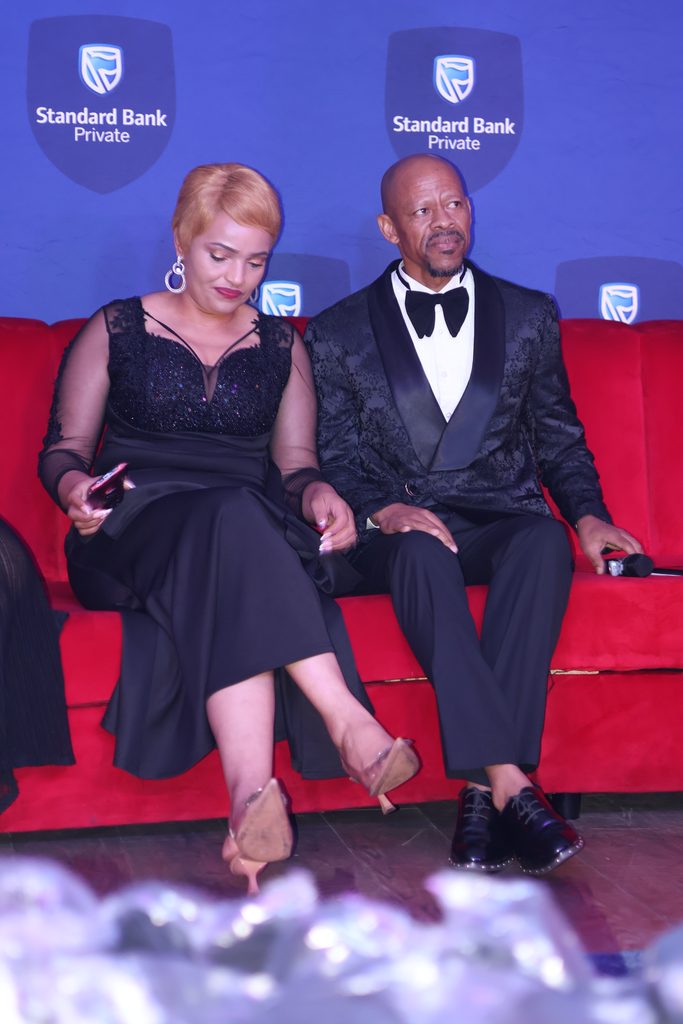
Mmamaphuleng and Martin Manamela: Healing Together
The gala also heard from Mmamaphuleng Manamela and her husband Martin, a couple from the Free State who shared their stories of failed, abusive marriages.
Mmamaphuleng’s life reflects the intersection of race, gender, and violence. She was born of rape: her black domestic worker mother was allegedly raped by a white farmer in Tweeling, eastern Free State where Mmamaphuleng was born. She is white and resembles her white father.
Ostracised by both communities, she grew up rejected. Her father’s family disowned her, while the farmer’s neighbours threatened her mother into silence and threatened to kill the child to end the issue about her. Her mother refused when the family members of the white farmer came asking to adopt Mmamaphuleng, saying she looks like them and her white father
Her adult life brought further pain. Married to a black man, she endured repeated beatings but hid the scars from her family. He told her she should be grateful—no one else would marry her and that he was doing her a favour by marrying her. They had three children, whom she described as “very beautiful” yet “whiter than me anyway.” Prejudice surrounded them, forcing her to explain constantly why they looked different from their black relatives.
After divorcing, she vowed never to marry again. But fate intervened. She met Martin, whom she called “a gift from God wrapped in a package.” Their shared experiences of abusive first marriages became the foundation of their loving partnership. Together, they found healing in faith and mutual support. Their affectionate smiles to each other during the gala embodied resilience born of shared pain but with their enduring love.
Martin related how his first marriage and how he managed to survive until he met Mmamaphuleng. After he broke up with the first wife, he embarked on a journey to reinvent and reconstruct himself. He appreciated that his wife Mmamaphuleng sustained herself through God.
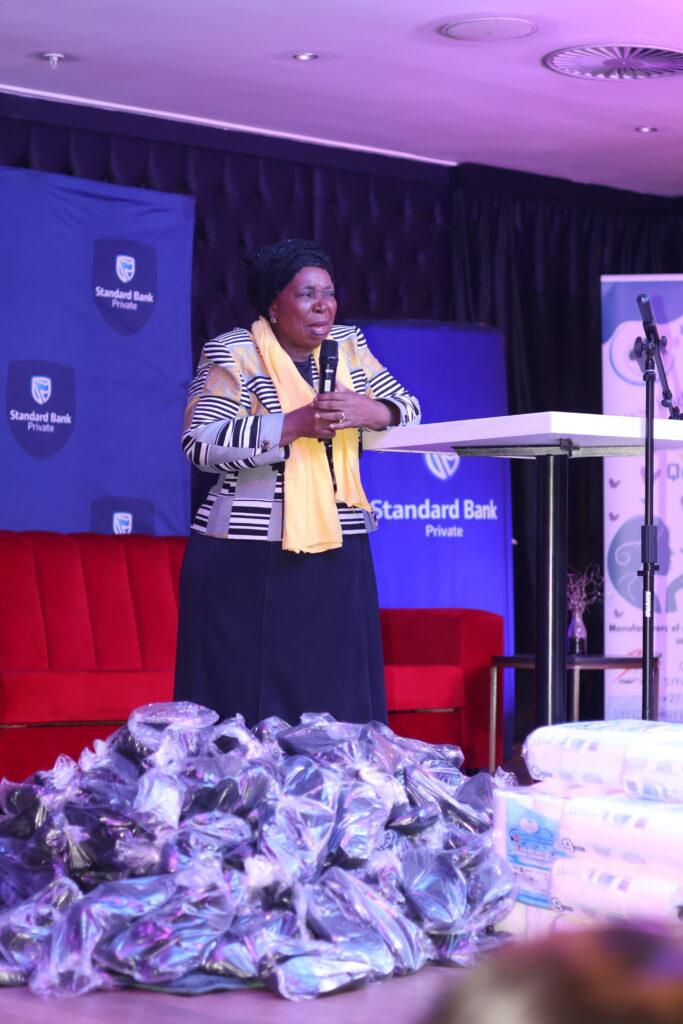
Dlamini Zuma: A Call to Action
In her address, Dlamini-Zuma was clear about the urgent need for change. “Abuse must stop. Why rape? I have never understood,” she stated. She emphasized that abuse should not be tolerated—whether at home, in society, or anywhere else.
Dlamini-Zuma urged women not to suffer in silence and to walk away from abusive relationships. It troubled her that some women would prefer to endure severe pain rather than leave unhealthy partnerships. She encouraged them to prioritise their survival and dignity over societal expectations of how they should behave as women. “Communities must confront violence at its roots, families must refuse to normalise bullying, and institutions must protect rather than shame victims,” she asserted.
Setting aside her political role, she offered parental advice, explaining how abuse often begins at a young age with boys. “A potential abuser starts as a boy who bullies his sisters at home, with parents dismissing this behaviour as normal,” she said. If left unaddressed, this pattern can grow into more serious abuse of girlfriends, wives, and families as the boy matures.
Speaking on the day’s theme, she remarked, “A tree must not be cut down simply because it can grow and survive. The tree must not be cut at all.”
Dlamini-Zuma also criticized police officers who shame rape victims by blaming them for their choice of clothing, insisting they need to be educated. “As women, we have the right to dress as we wish. That should never invite molestation,” she stated.
The high-profile Executive Business Network Gala featured high-profile guests and top-level sponsors who showcased their products to the well-dressed audience. It concluded with a dinner buffet and networking session. – @NewsSA_Online
Follow us on our social media platforms below: